






Research Article

Empowered to Lead: The Relationship between Leadership Practices, Teacher’s Burnout, and Work Performance

575 reads
Psych Educ Multidisc J, 2026, 53 (4), 392-409, DOI: https://doi.org/10.70838/pemj.530404, ISSN 2822-4353
Verified on SciChain · token #7378 of SciMatic Articles (ERC-1155, 1,000,000 tokens)
Contract 0x0E596B4b…F05eF8 · mint transaction · verify the record

Abstract

This study examines the relationship between leadership practices, burnout, and work performance among public school teachers in an urban district, employing a mixed-methods design. 100 respondents completed a researcher-made survey to assess transformational, instructional, collaborative, decision-making, problem-solving, professional, and ethical leadership practices and their influence on teacher burnout and work performance. Additionally, interviews with 10 participants explored leadership challenges, coping mechanisms, and perceptions of effective leadership. Data analysis employed descriptive statistics and Pearson’s r correlation to determine the strength and significance of relationships. Results show that teacher leadership practices exert a strong positive influence on work performance, with mean scores between 3.28 and 3.62 across key leadership dimensions. Despite experiencing emotional exhaustion and workload stress, teachers generally demonstrate resilience, maintain positive attitudes, and sustain professional commitment without perceiving themselves as fully burned out. Qualitative findings highlighted challenges such as role conflict, lack of support, resource limitations, resistance to change, and work overload, which teachers manage through collaboration, reflective practice, professional development, and adaptive strategies. Based on these results, a comprehensive empowering leadership framework is proposed, integrating a collaborative, supportive leadership environment and clear and open communication to enhance teacher well-being, reduce burnout, and improve work performance and commitment. Implementing this framework in educational institutions is strongly recommended. It provides strong administrative support and continuous evaluation, which together promote sustainable teacher leadership and positive educational outcomes.
Keywords burnout teachers work performance empowering leadership Leadership Practices
Authors 2

The team behind this paper

2 authors, 1 institution.

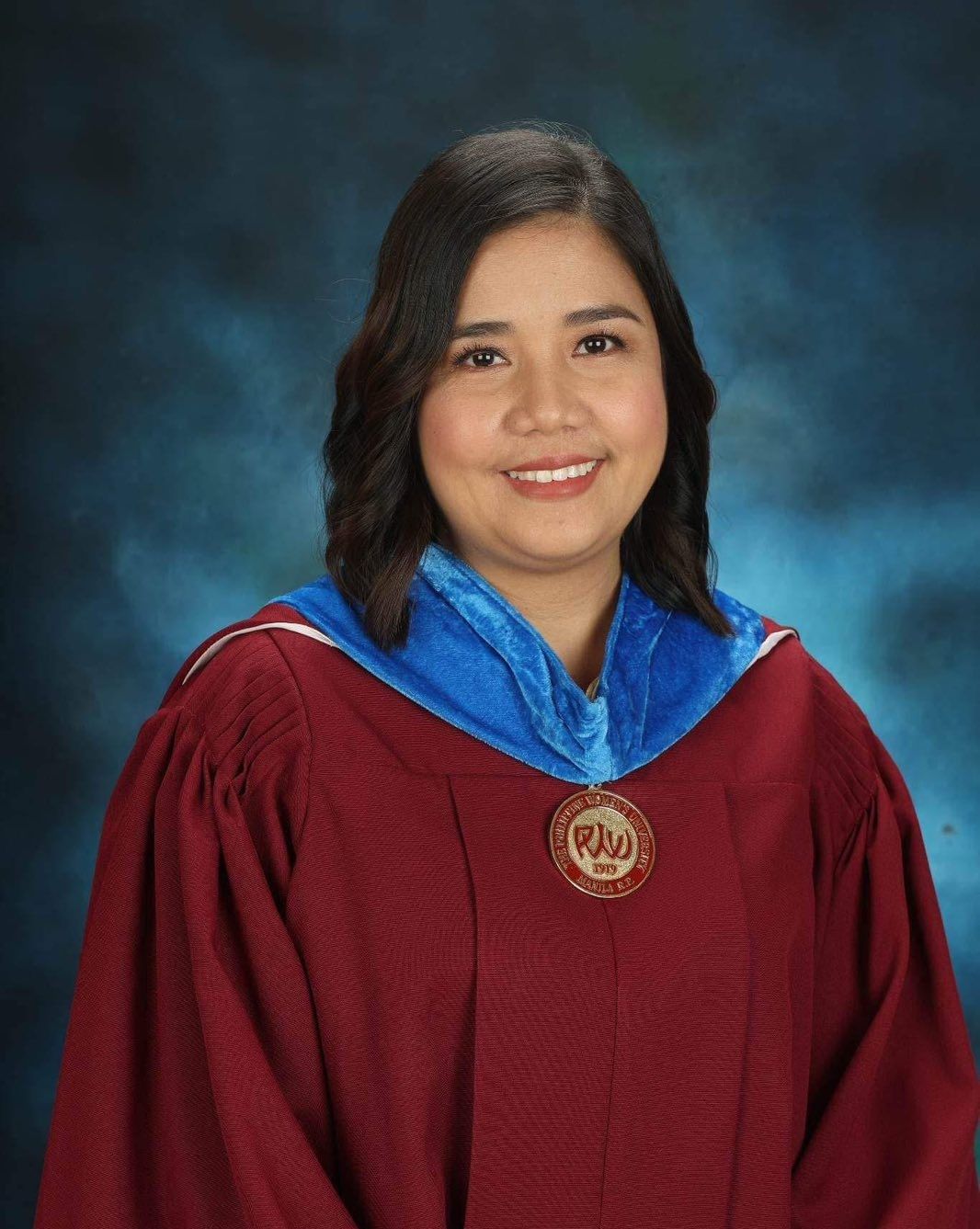
This paper Philippine Women’s University Philippine Women’s Univ… 2 authors Merced D. Hernandez — corresponding author MH Merced D. Hernandez ✉ Carmina Joson CJ Carmina Joson

Readership

575 reads over 8 months.

March 2026 October 2026

On SciChain

This article is token #7378 of SciMatic Articles (ERC-1155): 1,000,000 tokens, minted once, never more. The chain also stores a fingerprint (SHA-256) of the article's record, so anyone can check that it has not been altered.

HolderWalletTokens
SciMatic 0xc35709…277732 100,000 (10%)
Merced D. Hernandez 0x3Cfe5B…971481 450,000 (45%)
Carmina Joson 0x67d18D…e8c087 450,000 (45%)
Content hash 0x5e9e662069ec9329c79083486cffd226593617e58a597cd8e5da22b4c30bef48

Bibliographic Information

Merced D. Hernandez, Carmina Joson, (2026). Empowered to Lead: The Relationship between Leadership Practices, Teacher’s Burnout, and Work Performance, Psychology and Education: A Multidisciplinary Journal, 53(4): 392-409
Bibtex Citation
@article{merced_d._hernandez2026pemj,
author = {Merced D. Hernandez and Carmina Joson},
title = {Empowered to Lead: The Relationship between Leadership Practices, Teacher’s Burnout, and Work Performance},
journal = {Psychology and Education: A Multidisciplinary Journal},
year = {2026},
volume = {53},
number = {4},
pages = {392-409},
doi = {10.70838/pemj.530404},
url = {https://scimatic.org/index.php/show_manuscript/7378}
}
APA Citation
Hernandez, M.D., Joson, C., (2026). Empowered to Lead: The Relationship between Leadership Practices, Teacher’s Burnout, and Work Performance. Psychology and Education: A Multidisciplinary Journal, 53(4), 392-409. https://doi.org/10.70838/pemj.530404

Author Information

  • To change your profile photo, login to scimatic.org, go to your profile and change the photo.
  • Provide a face photo, and not full body.
  • It is better to remove the background from your photo. Go to Remove Background and then upload to profile
  • If you are unable to login, go to Reset My Password provide your email registered with the article and get new password.
  • In case of any other problem, contact your editor directly or write to us at info @ scimatic.org